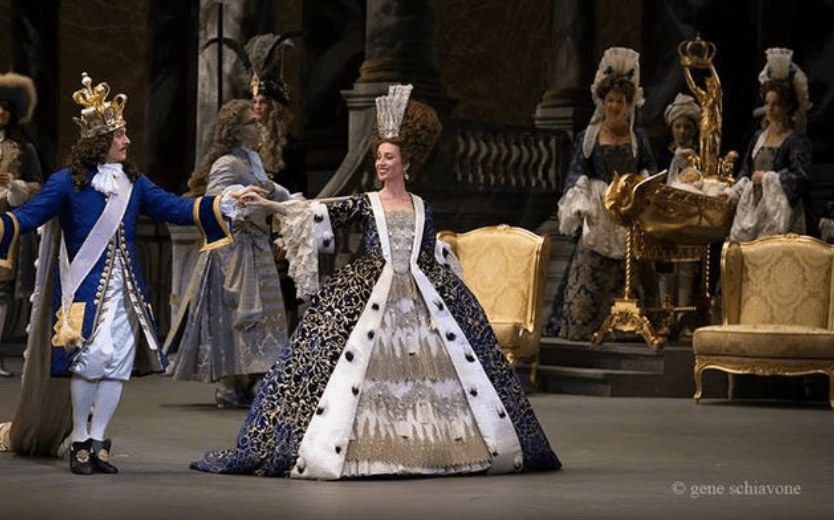
Victor Barbee and Tatiana Ratmansky. © Gene Schiavone
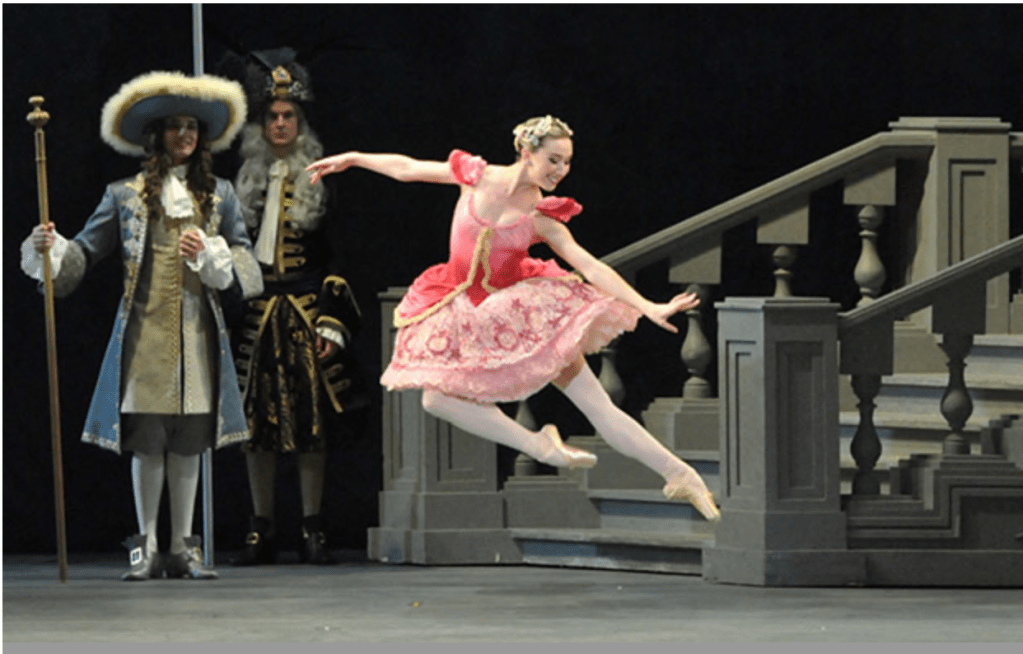
Isabella Boylston. © John Grigaitis.
I saw Ratmansky’s Sleeping Beauty in Orange County, New York, and Washington D. C. Each time, I found it engaging, delightful, and beautiful. And each time, even though it is a long ballet, it seemed to end too soon.
This essay (published online by Oxford Handbooks in 2017) shows how Ratmansky made the characters and story come alive in ways that some other productions do not. It also argues that Ratmansky effectively uses the tension and release in Tchaikovsky’s music to move the action forward, and makes maximum use of seeming conflicts between choreography and music during musical codettas.
Some names and ideas to note: Stanley Hall, Tatiana Ratmansky, Isabelle Boylston, Catalabutte, felicitous family life, codetta, multi-generational cast.
Please note: The essay is 17 pages long, but this digital file, which I received from the press, repeats several pages’ worth of material at the end. You can stop reading after the endnotes have finished (or before!).
 Marian Smith
Leave a comment